

What is Binance Coin (BNB)? A Complete Guide to Its Uses, Value, and Future

In the fast-paced world of cryptocurrency, few tokens have demonstrated the utility and growth trajectory of Binance Coin (BNB). Originally launched as an ERC-20 token on the Ethereum blockchain, BNB has evolved into the native cryptocurrency of the Binance Chain and Binance Smart Chain ecosystems. This guide provides a comprehensive overview of BNB, exploring its nature, core functions, investment potential, and its pivotal role in the broader crypto landscape.
The Genesis and Evolution of Binance Coin
Binance Coin was introduced in July 2017 through an Initial Coin Offering (ICO) by Binance, one of the world's leading cryptocurrency exchanges. Its initial purpose was straightforward: to offer users a discounted rate on trading fees when paid with BNB. This simple utility-driven model fueled its early adoption. However, BNB's journey didn't stop there. It underwent a significant migration from the Ethereum network to Binance's proprietary blockchain, Binance Chain, and later became integral to the Binance Smart Chain (now BNB Smart Chain). This evolution transformed BNB from a simple utility token into the fundamental gas token and governance asset for a vast, thriving ecosystem.
Core Utilities and Use Cases of BNB
The value of BNB is deeply tied to its wide array of use cases within the Binance ecosystem and beyond. Primarily, it remains the go-to token for paying transaction fees on the Binance exchange, offering users continued discounts. On the BNB Smart Chain, BNB is used to pay for gas fees for transactions and smart contract executions, similar to how ETH operates on Ethereum. Beyond fees, BNB is used for participating in token sales on Binance Launchpad, booking travel services, paying for virtual gifts, and even as collateral for loans on various DeFi platforms. This multi-faceted utility creates constant demand, a key driver of its value.
BNB and the BNB Smart Chain Ecosystem
The launch of the BNB Smart Chain was a game-changer. It is a blockchain network that runs parallel to the Binance Chain, offering smart contract functionality and compatibility with the Ethereum Virtual Machine (EVM). This design attracted a flood of developers and projects, leading to a boom in decentralized applications (dApps), decentralized finance (DeFi) protocols, and non-fungible token (NFT) marketplaces. As the "fuel" for this ecosystem, BNB's importance skyrocketed. The growth of popular dApps like PancakeSwap (a decentralized exchange) and Venus (a lending protocol) directly contributes to network activity and demand for BNB.
The BNB Burn Mechanism: A Deflationary Model
One of the most discussed aspects of BNB's economics is its quarterly "burn" mechanism. Binance commits to using 20% of its quarterly profits to buy back and permanently destroy (burn) BNB tokens from circulation. This process continues until 50% of BNB's total supply (100 million tokens) is removed. This deliberate reduction in supply creates a deflationary pressure, which, coupled with growing demand, is designed to support the token's long-term value. Understanding this scheduled burn is crucial for anyone analyzing BNB's potential as a store of value.
Is BNB a Good Investment? Risks and Considerations
Evaluating BNB as an investment requires a balanced view. On the positive side, its deep integration within the world's largest crypto exchange and a massive dApp ecosystem provides a strong fundamental use case. Its deflationary burn mechanism is also a unique value proposition. However, significant risks exist. BNB's price is heavily correlated with the success and regulatory standing of the Binance exchange itself. Increased regulatory scrutiny on centralized exchanges globally poses a potential headwind. Furthermore, as a native asset of its own chain, it faces competition from other smart contract platforms like Ethereum, Solana, and Cardano.
The Future Roadmap: BNB Beyond an Exchange Token
Binance envisions BNB as more than just an exchange utility token. Its roadmap focuses on expanding its role in decentralized governance, cross-chain interoperability, and the metaverse. Initiatives like BNB Sidechains and the development of the BNB Chain ecosystem aim to increase scalability and attract more developers. The goal is to position BNB as a cornerstone of Web3 infrastructure, powering everything from DeFi and gaming to virtual reality experiences. This ambitious vision suggests that BNB's story is still being written.
How to Buy, Store, and Safely Hold BNB Tokens
Acquiring BNB is straightforward for most crypto users. The most direct method is purchasing it on the Binance exchange with fiat currency or other cryptocurrencies. It is also widely available on other major exchanges like Coinbase and Kraken. Once purchased, security is paramount. For small amounts or active trading, keeping BNB on the exchange may be convenient. For larger, long-term holdings, transferring BNB to a personal cryptocurrency wallet is strongly advised. Options include software wallets like Trust Wallet (owned by Binance) or MetaMask (configured for BNB Smart Chain), and even more secure hardware wallets like Ledger or Trezor.
In conclusion, Binance Coin (BNB) has successfully transcended its origins as a simple fee-discount token. It is now the lifeblood of one of the most active and diverse blockchain ecosystems in the world. Its value is underpinned by tangible utility, a controlled supply mechanism, and an ambitious vision for the future of decentralized technology. Whether you are a trader, a DeFi enthusiast, or a long-term crypto investor, understanding the multifaceted nature of BNB is essential for navigating the modern digital asset landscape.
“What is Binance Coin (BNB)? A Complete Guide to Its Uses, Value, and Future” 的相关文章
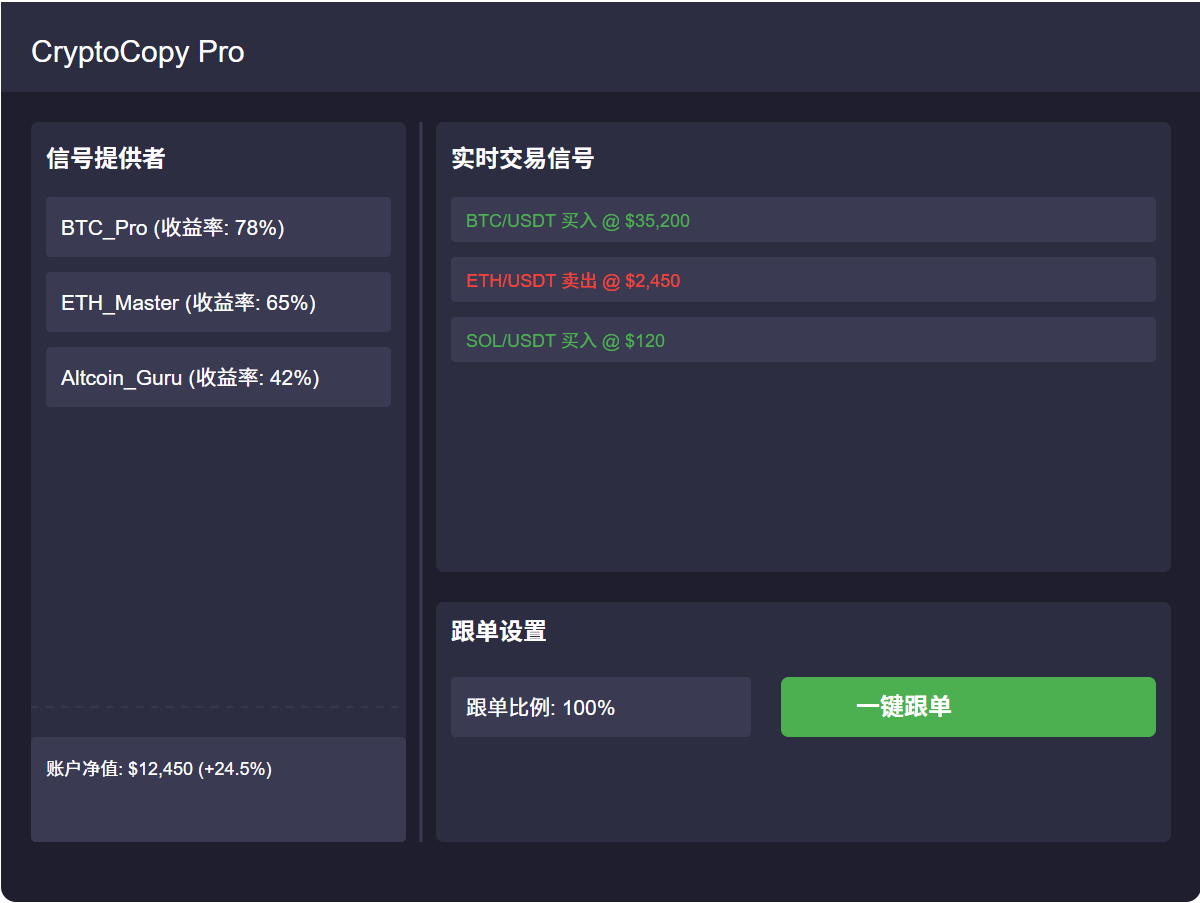
一键跟单平台 - 虚拟货币智能交易解决方案
一键跟单平台:虚拟货币交易的新时代解决方案在快速发展的虚拟货币市场中,一键跟单平台正成为越来越多投资者的首选工具。这种创新的交易方式让普通投资者也能轻松复制专业交易者的操作,无需深厚的市场分析能力即可参与加密货币投资。一键跟单平台的核心优势虚拟货币市场的高波动性既带来机会也伴随风险,一键跟单平台通过...
WBS注册奖励 | 获取虚拟货币、空投和区块链福利
WBS注册奖励:如何获取虚拟货币、空投和区块链福利?发布日期:2025年7月20日 | 更新日期:2025年7月20日什么是WBS注册奖励?WBS(Web3 Bonus System)注册奖励是区块链项目为吸引新用户推出的激励计划,涵盖虚拟货币(如BTC、ETH)、DeFi(去中心化金融)、NFT(...

参与虚拟货币交易所推荐返佣,是否构成开设赌场罪帮助犯?
一、案情引入设定以下场景:A某是B交易所平台上的一名普通用户,B交易所是一家国际知名的数字货币交易平台,其总部位于境外,用户可以在平台上进行市场买卖、限价委托、市价委托以及止盈止损委托,也可以通过平台的杠杆服务实现对数字资产的杠杆交易,还可以通过平台的合约服务实现对数字资产衍生品的交易。最初,A某通...
比特币 (BTC) 兑换新加坡元 (SGD):全面指南与汇率分析
比特币 (BTC) 兑换新加坡元 (SGD):全面指南与汇率分析概述汇率机制兑换平台兑换流程税务影响实用建议比特币兑换新加坡元概述比特币(BTC)与新加坡元(SGD)的兑换是加密货币市场中常见的交易对之一。新加坡作为亚洲金融中心,拥有完善的数字资产监管框架和活跃的加密货币市场,使BTC/SGD交易对...
比特币主导地位交易观点 | 加密货币市场周期分析与策略
比特币主导地位交易观点:解密加密货币市场周期更新时间:2025年7月27日 | 作者:加密货币市场分析师什么是比特币主导地位?比特币主导地位(Bitcoin Dominance, BTC.D)是指比特币市值占整个加密货币市场总市值的百分比。这一指标是衡量比特币相对于其他加密货币(山寨币)市场影响力的...
数字淘金热中的审慎;美国散户为何对加密货币仍心存芥蒂
数字淘金热中的审慎:美国散户为何对加密货币仍心存芥蒂标签: 加密货币 市场调查 投资者情绪 风险认知 人口统计目录:· 序言:喧嚣中的低语· 冰冷的数字:普及率与兴趣的落差· 风险之墙:挥之不去的阴影· 世代与收入的鸿沟:谁在拥抱加密?· 知识的迷雾...