

Websea Exchange: A Comprehensive Guide to the Global Crypto Trading Platform

Introduction to Websea Exchange: A Global Crypto Trading Hub
In the rapidly evolving world of digital assets, selecting a reliable and feature-rich cryptocurrency exchange is paramount for traders and investors. Websea Exchange has emerged as a significant player in the global market, offering a comprehensive suite of services designed to cater to both novice entrants and seasoned professionals. As a centralized trading platform, Websea provides users with access to a wide array of cryptocurrencies, advanced trading tools, and robust security measures. Its focus on creating a seamless user experience, coupled with competitive fee structures and high liquidity, positions it as a compelling choice in the crowded exchange landscape. This overview delves into the core aspects of Websea, exploring what sets it apart in the competitive crypto ecosystem.
Key Features and Trading Tools on Websea Platform
Websea Exchange distinguishes itself through a blend of user-friendly interfaces and powerful trading functionalities. The platform typically supports spot trading, futures contracts, and margin trading, allowing users to employ various strategies. Key features often include advanced charting packages powered by TradingView, real-time market data, and a range of order types such as limit, market, and stop-loss orders. For institutional and high-volume traders, Websea may offer API connectivity for automated trading strategies. The exchange's mobile application ensures that users can monitor markets and execute trades on the go, providing flexibility and convenience. Furthermore, features like staking, savings products, or launchpads for new token sales are commonly part of such platforms to enhance user engagement and provide additional avenues for earning yield on crypto holdings.
Security Protocols and Fund Safety Measures
Security remains the foremost concern for any cryptocurrency exchange, and Websea prioritizes the protection of user assets and data. Reputable platforms like Websea typically implement a multi-layered security architecture. This includes storing the majority of user funds in cold wallets that are offline and inaccessible to online threats. Two-factor authentication (2FA) is a standard requirement for account logins and withdrawals, adding an essential layer of defense. Regular security audits by independent third-party firms help identify and rectify potential vulnerabilities. Additionally, platforms often employ anti-phishing mechanisms and withdrawal address whitelisting to prevent unauthorized transactions. Understanding these security measures is crucial for users when entrusting an exchange with their digital assets.
Supported Cryptocurrencies and Trading Pairs
The breadth of available digital assets is a critical factor for traders. Websea Exchange aims to provide a diverse portfolio, supporting major cryptocurrencies like Bitcoin (BTC), Ethereum (ETH), and stablecoins such as USDT and USDC. Beyond these, the platform usually lists a selection of altcoins and emerging tokens, offering numerous trading pairs against BTC, ETH, and fiat-pegged stablecoins. This variety allows traders to diversify their portfolios and explore opportunities across different market segments. The exchange's process for listing new tokens often involves due diligence to maintain market integrity and protect its users from highly volatile or questionable projects.
Fee Structure: Trading, Withdrawal, and Deposit Costs
Transparent and competitive fees are vital for trading profitability. Websea Exchange typically employs a maker-taker fee model for spot and futures trading, where market makers (those providing liquidity) enjoy lower fees than takers (those removing liquidity). Fees often decrease with higher 30-day trading volumes or by holding the platform's native utility token. Deposit fees are generally free for cryptocurrencies, while withdrawal fees vary depending on the blockchain network congestion. It's important for users to review the latest fee schedule on the official Websea website, as these structures can be updated to remain competitive within the industry.
User Experience and Customer Support Services
A platform's usability can significantly impact a trader's efficiency and satisfaction. Websea is designed with an intuitive interface that simplifies navigation for beginners while offering advanced modules for experts. The registration and Know Your Customer (KYC) verification process is streamlined to ensure compliance without unnecessary friction. In terms of customer support, responsive service is key. Websea likely provides support through multiple channels, including 24/7 live chat, email ticketing systems, and comprehensive help centers with FAQs and tutorials. The quality and speed of customer support are often reflective of an exchange's commitment to its user base.
How Websea Compares to Other Major Exchanges
When evaluating Websea, it's helpful to contextualize it against established giants like Binance, Coinbase, or Kraken. While larger exchanges may offer more trading pairs and higher liquidity, platforms like Websea can compete through specialized features, regional focus, or superior customer service. Potential advantages might include lower fees for specific regions, unique token listings, or innovative product offerings. Traders should consider factors such as geographic availability, supported fiat currencies for on-ramping, and the specific tools they need for their strategy when making a comparison.
Getting Started on Websea: A Step-by-Step Guide
For new users interested in joining Websea Exchange, the process is typically straightforward. First, visit the official website and complete the registration by providing an email address and creating a secure password. The next step involves completing identity verification (KYC) by submitting required documents, which is mandatory for higher withdrawal limits and full platform access. Once verified, users can deposit funds—either cryptocurrency from an external wallet or fiat currency through supported payment methods. After the deposit is confirmed, they can navigate to the trading interface, select their desired market, and begin executing trades. It is always recommended to start with a small amount and familiarize oneself with the platform's features before engaging in significant trading activity.
Conclusion: Is Websea Exchange the Right Choice for You?
Websea Exchange presents itself as a versatile and secure platform suitable for a broad spectrum of cryptocurrency enthusiasts. Its combination of extensive asset support, advanced trading features, and a strong emphasis on security makes it a viable contender in the global market. However, the "best" exchange is subjective and depends on individual needs, such as preferred trading instruments, geographic location, and specific asset interests. Prospective users are encouraged to conduct their own due diligence, start with small transactions, and ensure the platform's offerings align with their investment goals and risk tolerance. As the crypto space continues to mature, platforms like Websea that balance innovation with reliability will play a crucial role in driving mainstream adoption.
“Websea Exchange: A Comprehensive Guide to the Global Crypto Trading Platform” 的相关文章
数字货币交易所推荐 - 2024年最安全可靠的加密货币交易平台
随着加密货币市场的持续发展,选择一个安全可靠的数字货币交易所变得至关重要。本文将从安全性、交易品种、手续费、用户体验等维度,为您推荐2024年最值得信赖的加密货币交易平台。选择数字货币交易所的关键标准评估一个加密货币交易所时,应考虑以下核心因素:安全性:是否采用冷存储、多重签名、2FA等安全措施监管...

MANTRA (OM);从深渊到曙光,46% 飙升的背后
MANTRA (OM):从深渊到曙光,46% 飙升的背后标签:加密货币, 区块链, RWA, MANTRA, OM, 价格预测, 市场分析目录· 迷雾散尽:MANTRA (OM) 走出低谷· 交易狂潮:OM 如何从崩溃中崛起· 市场的低语:OM 能否重回巅峰?·&nbs...
数字货币跟投返利:新型投资模式的全面解析
数字货币跟投返利:新型投资模式的全面解析概念解析运作机制主流平台模式优势风险提示未来展望数字货币跟投返利的概念解析数字货币跟投返利是一种结合社交交易和激励机制的创新投资模式,它允许普通投资者复制专业交易者的操作,并根据跟投金额或交易量获得平台返还的部分手续费或额外奖励。这种模式在加密货币领域迅速流行...

巨鲸的告别;比特币灵魂深处的哲学辩论
巨鲸的告别:比特币灵魂深处的哲学辩论目录:· 序章:一笔惊世交易的涟漪· 巨鲸浮现:8万枚比特币的易主· “信仰动摇”论:斯科特·梅尔克的火花· 观点的交锋:何谓“背叛”?· 传统与新生:两种未来的拉扯· 中本聪的初衷:去中心化的乌托邦·&...
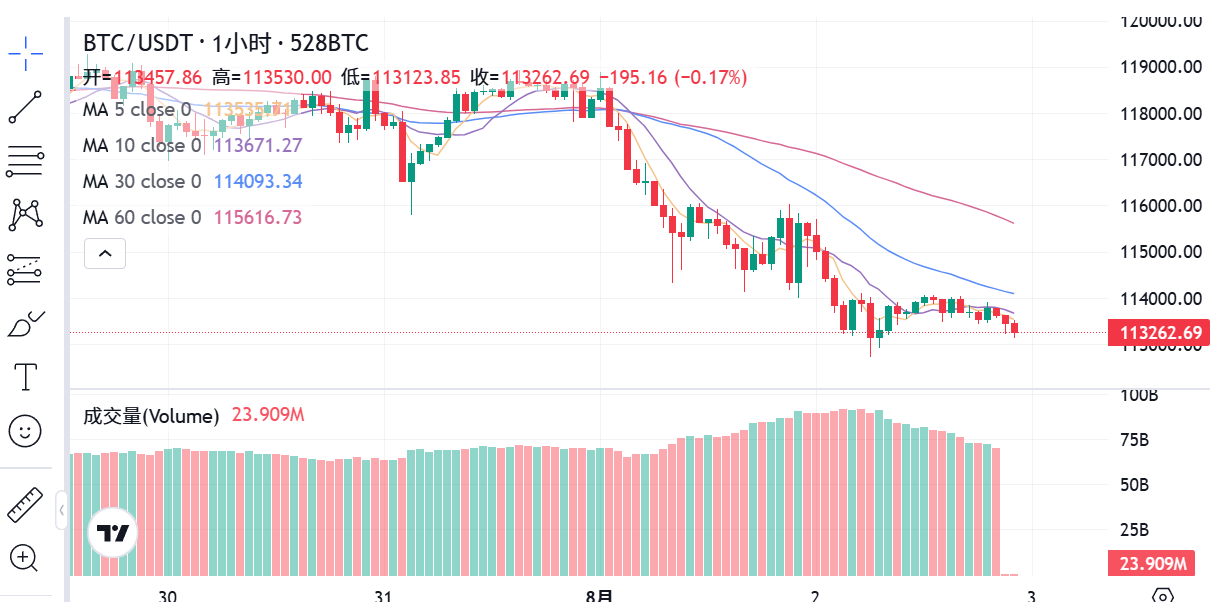
BTC最新成交量分析:市场流动性深度解读
BTC最新成交量分析:市场流动性深度解读最后更新:2025年8月2日目录成交量概览成交量趋势分析交易所成交量对比大额交易追踪市场流动性评估成交量与价格关系成交量技术指标投资洞察常见问题BTC成交量概览截至2025年8月2日,比特币24小时全球交易量达到580亿美元,较上周平均水平增长35%。其中现货...

巴基斯坦的数字“跃进”;年轻人口与能源富余如何推动比特币革命?
巴基斯坦的数字“跃进”:年轻人口与能源富余如何推动比特币革命?标签: 巴基斯坦 比特币 加密货币采用 萨尔瓦多 能源挖矿 数字经济目录:· 序章:古老土地上的新浪潮· 人口红利:年轻巴基斯坦的数字雄心· “快艇”理论:新兴市场的弯道超车· 萨尔瓦多:比特币之路...