

Understanding Exchange Commission Policies: Why Rebates to Clients Are Prohibited

Navigating the Rules: The "No Rebates" Policy in Crypto Exchanges
In the fast-paced and often complex world of cryptocurrency trading, understanding the fee structures and policies of exchanges is crucial for every investor. One fundamental rule that stands as a cornerstone of professional market conduct is the prohibition against providing rebates to clients from exchange commissions. This policy, while sometimes misunderstood, is designed to uphold market integrity, ensure transparency, and protect both the exchange and its users from potential conflicts of interest and regulatory pitfalls. For traders, from beginners to seasoned veterans, grasping the "why" behind this rule is essential for making informed decisions and choosing trustworthy platforms.
Decoding the Jargon: What Are Exchange Commissions and Rebates?
Before diving into the prohibition, let's clarify the terms. Exchange commissions are the fees charged by a trading platform for executing buy and sell orders. These are typically a small percentage of the trade value and constitute a primary revenue source for the exchange. A rebate, in a general business context, is a partial refund given to a customer. In a scenario that is now prohibited, a broker or agent might take the commission paid by the client to the exchange and give a portion of it back as an incentive. This practice, common in some traditional financial gray areas, is explicitly forbidden by reputable cryptocurrency exchanges and financial regulators worldwide. This ban is a key part of maintaining a clean and fair trading ecosystem for digital assets like Bitcoin and Ethereum.
The Core Reasons: Why Exchanges Forbid Commission Rebates
The strict "no rebates" policy is not arbitrary; it is rooted in several critical principles that safeguard the entire market. First and foremost is conflict of interest. If a broker can profit by rebating part of a commission, their advice might be skewed toward encouraging excessive trading (churning) to generate more fee income, rather than acting in the client's best interest. Secondly, it ensures transparency and clarity in pricing. All users should see and pay the same publicly listed fees, without hidden kickbacks or negotiated deals that create an uneven playing field. This transparency is vital for building trust in the often-opaque crypto industry. Finally, this rule is a major pillar of regulatory compliance. Financial authorities like the SEC (Securities and Exchange Commission) and other global regulators have strict rules against such practices to prevent fraud and market manipulation.
Protecting the Investor: How This Policy Shields You from Risk
For the individual trader or investor, this policy acts as a vital layer of protection. When you see a platform advertising "zero commission" or incredibly low fees, it's natural to be attracted. However, some disreputable operators might have previously used hidden rebate schemes to offset low advertised prices, potentially recouping costs through wider spreads, inferior trade execution, or even risky financial engineering. The clear prohibition on rebates forces all costs into the open. It means you can better compare true trading costs between exchanges. Furthermore, it protects you from being subtly encouraged to overtrade by an agent seeking a personal rebate. In the volatile crypto market, where security and trust are paramount, trading on a platform that adheres to this rule significantly reduces your exposure to unethical practices and potential scams involving your virtual currency holdings.
Identifying Red Flags: Signs an Exchange Might Not Be Playing by the Rules
While most top-tier exchanges like Coinbase, Binance, and Kraken operate with clear, upfront fee schedules, it's important to stay vigilant. Be wary of platforms or individual "account managers" who promise special deals, secret refunds on commissions, or personalized fee discounts that aren't published on the exchange's official website. Any offer that suggests you can get a piece of the commission back should be a major red flag. Such practices may indicate an unlicensed or non-compliant operation, which could put your funds at risk. Always verify that an exchange is regulated in its operating jurisdiction and read its terms of service regarding fees and commissions thoroughly. Protecting your cryptocurrency investments starts with choosing a platform that prioritizes regulatory adherence and transparent operations.
The Bigger Picture: Integrity and the Future of Crypto Markets
The enforcement of a "no rebates from commissions" policy is more than just a rule—it's a commitment to building a mature and sustainable financial ecosystem for digital assets. As cryptocurrency continues to move into the mainstream and attract institutional investors, demonstrating robust governance and ethical standards is non-negotiable. These policies help legitimize the space, making it more attractive to traditional finance and long-term investors. They ensure that competition between exchanges is based on technology, security, liquidity, and legitimate service offerings, rather than on opaque and potentially manipulative fee schemes. For the health of the entire blockchain and crypto economy, maintaining these high standards of conduct is essential for future growth and stability.
Conclusion: Trading with Confidence on Compliant Platforms
Understanding the rationale behind the "no rebates to clients from exchange commissions" policy empowers you as an investor. It shifts your perspective from seeing it as a restrictive rule to recognizing it as a protective measure that fosters a fairer, more transparent trading environment. When selecting a cryptocurrency exchange, prioritize those with clear, published fee structures and a strong reputation for regulatory compliance. This due diligence is your first line of defense. By trading on platforms that uphold these integrity-focused policies, you can focus on your investment strategy in Bitcoin, altcoins, or other digital tokens, with greater confidence that the market's foundational rules are designed to protect your interests and the integrity of your trades.
“Understanding Exchange Commission Policies: Why Rebates to Clients Are Prohibited” 的相关文章

特朗普签了,币圈炸了!中国偷偷囤了19万枚比特币?
特朗普签署《天才法案》为稳定币立规,比特币应声创4万亿市值新高;中国暗流涌动,香港将成亚洲加密桥头堡,19.4万枚比特币或成战略筹码。昨夜18万人爆仓8亿美元,币圈博弈东西方各有棋路。内容由AI智能生成有用币圈一日,人间十年,这过山车坐得比环球影城还刺激。今天凌晨,特朗普在白宫搞了个大动作——正式签...
解密数字黄金;加密货币入门指南与未来展望
解密数字黄金:加密货币入门指南与未来展望加密货币 比特币 以太坊 区块链 数字金融 投资指南 Web3目录· 虚拟世界的新货币:什么是加密货币?· 数字货币的四大天王:比特币、以太坊及其他· 区块链的魔力:加密货币为何安全?· 加密货币的魅力:自由、隐私与效率...
巨鲸的告别;比特币灵魂深处的哲学辩论
巨鲸的告别:比特币灵魂深处的哲学辩论目录:· 序章:一笔惊世交易的涟漪· 巨鲸浮现:8万枚比特币的易主· “信仰动摇”论:斯科特·梅尔克的火花· 观点的交锋:何谓“背叛”?· 传统与新生:两种未来的拉扯· 中本聪的初衷:去中心化的乌托邦·&...
支付巨头的新航道;PayPal拥抱加密货币,百种代币激活全球商贸
支付巨头的新航道:PayPal拥抱加密货币,百种代币激活全球商贸标签: PayPal 加密支付 稳定币 跨境交易 商户解决方案 PYUSD目录:· 序章:传统支付巨头的数字转身· 百币入局:PayPal的加密新纪元· 化解波动:自动兑换的奥秘· 费率之争:挑战...
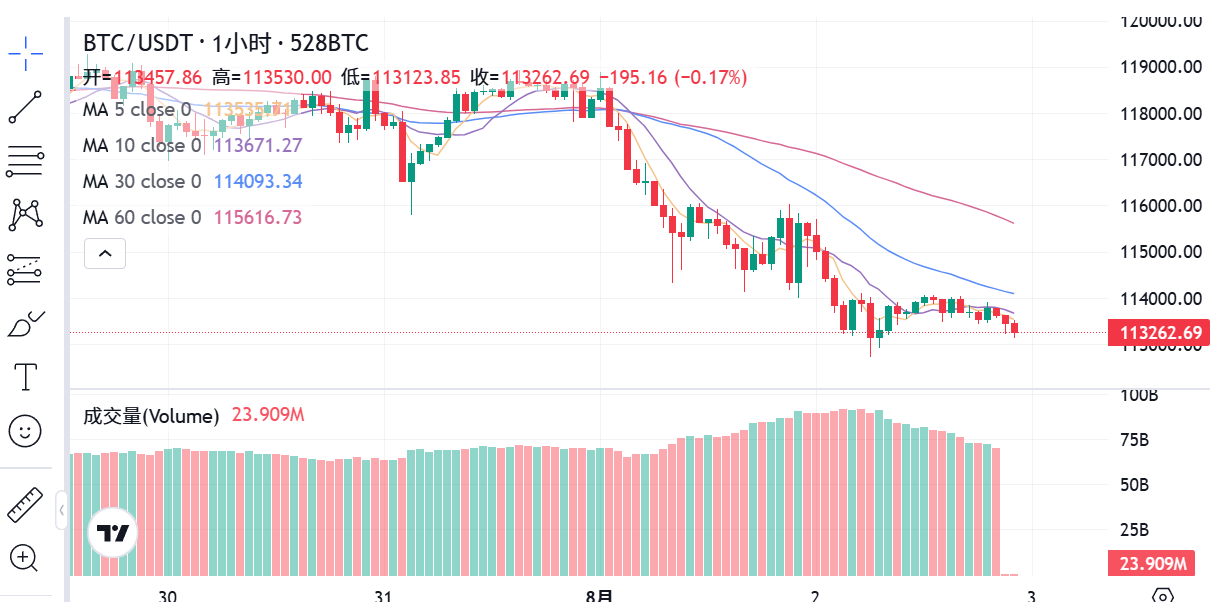
BTC最新成交量分析:市场流动性深度解读
BTC最新成交量分析:市场流动性深度解读最后更新:2025年8月2日目录成交量概览成交量趋势分析交易所成交量对比大额交易追踪市场流动性评估成交量与价格关系成交量技术指标投资洞察常见问题BTC成交量概览截至2025年8月2日,比特币24小时全球交易量达到580亿美元,较上周平均水平增长35%。其中现货...
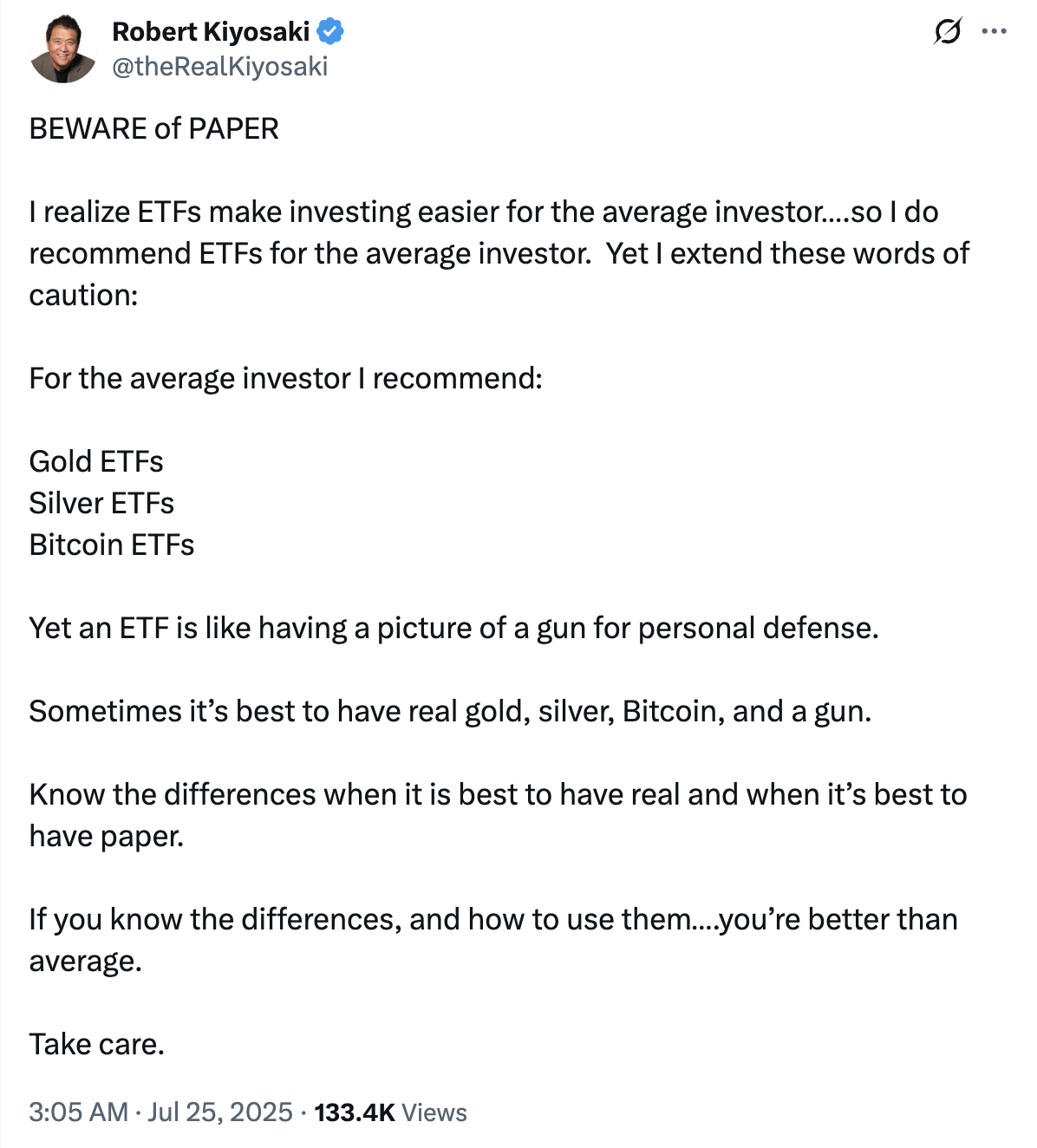
数字黄金的“纸”与“实”;清崎警告ETF风险,专家力证其安全性
数字黄金的“纸”与“实”:清崎警告ETF风险,专家力证其安全性标签: 罗伯特·清崎 比特币ETF 黄金 白银 实物资产 纸质资产 银行挤兑目录:· 序章:富爸爸的“枪支比喻”· 清崎的担忧:警惕“纸上财富”的幻象· 银行挤兑:一个古老的金融梦魇· ETF的防线...