

What is Binance Smart Chain DEX? A Complete Guide to Decentralized Exchanges on BSC

In the rapidly evolving world of cryptocurrency, decentralized exchanges (DEXs) have become a cornerstone of financial sovereignty. Among the various blockchain networks powering this revolution, Binance Smart Chain (BSC, now often referred to as BNB Chain) has emerged as a dominant force. This guide provides a comprehensive overview of Binance Smart Chain decentralized exchanges, exploring how they work, their key advantages, and the top platforms shaping the ecosystem. Whether you're a DeFi novice or a seasoned trader, understanding BSC DEXs is crucial for navigating the future of finance.
Understanding Binance Smart Chain and Its Role in DeFi
Binance Smart Chain is a blockchain network built for running smart contract-based applications. It runs in parallel with Binance's native Binance Chain, offering a high-performance environment compatible with the Ethereum Virtual Machine (EVM). This compatibility is a game-changer, as it allows developers to easily port their Ethereum-based projects—like decentralized exchanges—to BSC. The chain's primary appeal lies in its significantly lower transaction fees (gas fees) and faster block times compared to Ethereum during periods of high congestion. This combination of low cost, high speed, and a massive existing user base from the Binance ecosystem has made BSC a fertile ground for the explosive growth of decentralized finance, with DEXs at its very heart.
How Does a Decentralized Exchange on BSC Work?
A decentralized exchange on the Binance Smart Chain operates without a central authority. Unlike centralized exchanges (CEXs) like Binance.com, which custody user funds and manage order books, a BSC DEX facilitates peer-to-peer trading directly from users' wallets. Trades are executed automatically through smart contracts—self-executing code deployed on the blockchain. The most common model used by leading BSC DEXs is the Automated Market Maker (AMM). In this system, users provide liquidity to "liquidity pools" (pairs of tokens, e.g., BNB/USDT) and earn fees in return. Traders then swap tokens against these pools at algorithmically determined prices, eliminating the need for a traditional buyer-seller order book. This model empowers users to be both traders and market makers, democratizing access to market liquidity.
Top Benefits of Using a BSC-Based Decentralized Exchange
Choosing a DEX on Binance Smart Chain offers several compelling advantages for crypto users. First and foremost is **control and custody**: you retain full control of your private keys and funds in your own wallet (like MetaMask or Trust Wallet) throughout the trading process. **Lower transaction costs** make frequent trading and smaller transactions economically viable, a hurdle often faced on other networks. **Access to a vast array of tokens** is another key benefit, including new and innovative projects that launch first on BSC. Furthermore, these platforms promote **permissionless and global access**, allowing anyone with an internet connection and a crypto wallet to participate without KYC hurdles. Finally, the **transparency and security** of on-chain transactions, which are publicly verifiable, provide a trustless environment where the code is the law.
Popular Binance Smart Chain DEX Platforms You Should Know
The BSC ecosystem is home to several major decentralized exchanges, each with unique features. **PancakeSwap** is the undisputed leader, known for its user-friendly interface, high liquidity across countless token pairs, and engaging features like yield farming, staking, and a lottery. **Biswap** markets itself as a low-fee alternative, offering a multi-type referral program and a focus on sustainable returns for liquidity providers. **MDEX** is a cross-chain DEX that aggregates liquidity from both BSC and other chains. **ApeSwap** started as a fork of PancakeSwap but has built a strong community with its own ecosystem of products, including an initial offering launchpad. When exploring these platforms, it's essential for users to conduct their own research (DYOR) to understand the risks and mechanics involved.
Key Risks and Considerations for BSC DEX Users
While powerful, using decentralized exchanges on Binance Smart Chain is not without risk. **Smart contract risk** is paramount; a bug or vulnerability in a DEX's code could lead to the loss of funds. **Impermanent loss** is a unique risk for liquidity providers, where the value of deposited assets changes compared to simply holding them. The permissionless nature of listing tokens also leads to a high prevalence of **scam tokens and "rug pulls,"** where developers abandon a project and drain liquidity. Furthermore, the relative **centralization of the BSC network** itself, with a smaller number of validators compared to more decentralized chains, presents a theoretical systemic risk. Users must prioritize security: use hardware wallets, verify contract addresses, and never share private keys or seed phrases.
The Future of Decentralized Trading on BNB Chain
The landscape of Binance Smart Chain decentralized exchanges continues to innovate at a breakneck pace. We are seeing the rise of **order book DEXs** on BSC that combine the self-custody benefits of DeFi with the familiar trading experience of centralized platforms. **Cross-chain aggregation** is becoming standard, allowing users to find the best swap rates across multiple blockchains directly from a single BSC-based interface. Furthermore, deep integration with other DeFi pillars—like lending protocols, derivatives platforms, and NFT marketplaces—is creating seamless, interconnected financial ecosystems. As scalability solutions and layer-2 networks evolve, BSC DEXs are poised to offer even faster and cheaper transactions, potentially onboarding the next hundred million users to the world of decentralized finance.
In conclusion, Binance Smart Chain decentralized exchanges represent a critical pillar of the modern DeFi landscape. They offer a potent blend of accessibility, low cost, and user empowerment, making sophisticated financial tools available to a global audience. From swapping mainstream stablecoins to exploring new altcoin projects, BSC DEXs provide the gateway. By understanding their mechanisms, benefits, and inherent risks, you can confidently navigate this dynamic space and harness the true potential of a decentralized financial future.
“What is Binance Smart Chain DEX? A Complete Guide to Decentralized Exchanges on BSC” 的相关文章
自动合约投资:区块链时代的智能理财新方式
自动合约投资:区块链时代的智能理财新方式 自动合约投资生态系统...

区块链保本机制:理解加密货币投资的风险管理策略
区块链保本机制:理解加密货币投资的风险管理策略最后更新:2025年7月20日目录区块链保本机制概述主要区块链保本机制类型智能合约保本方案稳定币对冲策略加密货币期权保护质押挖矿中的保本策略未来发展趋势总结与建议区块链保本机制概述区块链保本机制:理解加密货币投资的风险管理策略在高度波动的加密货币市场中,...
数字货币爆仓保护:杠杆交易风险防范全攻略 | 加密投资安全指南
数字货币爆仓保护:全面指南与风险防范策略什么是爆仓爆仓机制保护策略交易所比较案例分析在数字货币杠杆交易中,爆仓是投资者面临的最大风险之一。本文将全面解析爆仓机制,并提供实用的保护策略,帮助您在加密货币市场中安全交易。什么是数字货币爆仓?数字货币爆仓(Liquidation)是指当投资者使用杠杆进行交...
比特币资金费率详解 | 永续合约价格锚定的核心机制
比特币资金费率:永续合约市场的关键机制更新时间:2025年7月27日 | 作者:加密货币衍生品分析师什么是比特币资金费率?比特币资金费率是永续合约市场中特有的机制,用于确保合约价格与标的资产现货价格保持长期一致。与传统期货合约不同,永续合约没有到期日,资金费率机制替代了传统的到期结算方式。资金费率的...
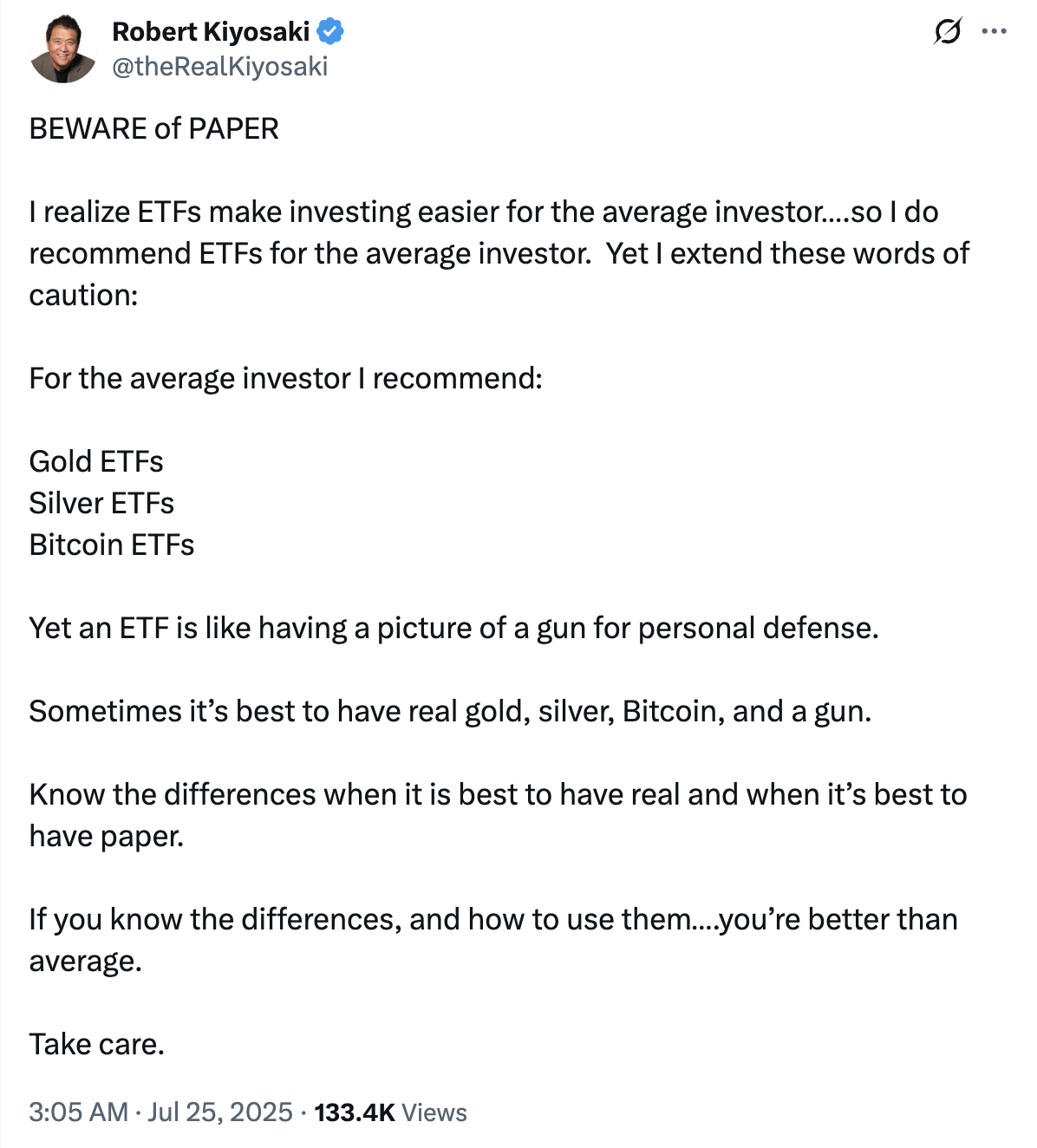
数字黄金的“纸”与“实”;清崎警告ETF风险,专家力证其安全性
数字黄金的“纸”与“实”:清崎警告ETF风险,专家力证其安全性标签: 罗伯特·清崎 比特币ETF 黄金 白银 实物资产 纸质资产 银行挤兑目录:· 序章:富爸爸的“枪支比喻”· 清崎的担忧:警惕“纸上财富”的幻象· 银行挤兑:一个古老的金融梦魇· ETF的防线...

华尔街巨头的“数字版图”;花旗、摩根大通、高盛领跑,千亿投资重塑区块链未来
华尔街巨头的“数字版图”:花旗、摩根大通、高盛领跑,千亿投资重塑区块链未来标签: 区块链 Ripple 机构投资 稳定币 代币化 摩根大通目录:· 序章:传统巨头们的静默革命· 投资先锋:花旗、高盛、摩根大通的领跑· 全球系统重要性银行:106笔交易的信号· ...