

Can Your Crypto Wallet Be Hacked? 7 Common Threats & How to Protect Your Digital Assets

As virtual currencies like Bitcoin and Ethereum become mainstream, a critical question arises for every investor: can the money in my wallet be stolen? The short answer is yes, but understanding how and why is key to securing your assets. Unlike traditional bank accounts with fraud protection, cryptocurrency transactions are irreversible. This guide provides a comprehensive overview of the security landscape for crypto wallets, detailing common threats, from phishing scams to sophisticated hacks, and offering actionable strategies to fortify your digital wealth against theft.
Understanding Crypto Wallets: Hot vs. Cold Storage
Before diving into security threats, it's crucial to understand wallet types. A "hot wallet" is connected to the internet, such as software wallets on your phone or computer and accounts on exchanges. They offer convenience for frequent trading but are inherently more vulnerable. A "cold wallet," like a hardware wallet (e.g., Ledger, Trezor) or a paper wallet, stores your private keys offline. This "air-gapped" nature makes them highly resistant to online hacking attempts, making them the gold standard for storing significant amounts of cryptocurrency long-term.
Common Ways Crypto Wallets Get Hacked and Funds Stolen
Crypto theft doesn't always involve complex code-breaking. More often, it exploits human error or system vulnerabilities. Key threats include:
Phishing Attacks: Scammers create fake websites, emails, or social media messages mimicking legitimate services (like wallet providers or exchanges) to trick you into entering your seed phrase or private keys.
Malware and Keyloggers: Malicious software can infect your device to record keystrokes, capture screen data, or even replace a wallet address in your clipboard with the thief's address during a transaction.
Centralized Exchange Hacks: When you keep funds on an exchange like Coinbase or Binance, you trust their security. Major exchange breaches have led to losses totaling billions. Remember: "Not your keys, not your crypto."
Sim Swap Attacks: Hackers socially engineer your mobile carrier to port your phone number to a SIM card they control, allowing them to intercept SMS-based two-factor authentication (2FA) codes.
Weak Security Practices: Using simple passwords, reusing passwords across sites, storing seed phrases digitally (e.g., in a cloud note, text file, or email), or sharing sensitive information.
Smart Contract Exploits: For DeFi (Decentralized Finance) users, interacting with a malicious or poorly audited smart contract can grant it permission to drain your connected wallet.
Physical Theft and Coercion: If someone gains physical access to your hardware wallet and PIN, or forces you to unlock it, your funds can be stolen.
How to Protect Your Crypto Wallet from Theft: Essential Security Steps
Proactive security dramatically reduces your risk. Implement these best practices:
Use a Hardware Wallet for Major Holdings: For any substantial savings, transfer funds to a reputable hardware wallet. It keeps your private keys isolated from internet-connected devices.
Guard Your Seed Phrase with Your Life: Your 12 or 24-word recovery phrase is the master key. Never digitize it. Write it on a durable material (like metal) and store it in multiple secure, offline locations—never in a bank safety deposit box alone.
Enable Strong, Non-SMS 2FA: Always use Two-Factor Authentication, but avoid SMS. Opt for an authenticator app like Google Authenticator or Authy, or a security key like YubiKey.
Practice Digital Hygiene: Use a dedicated, clean computer or phone for crypto activities if possible. Install reputable antivirus/anti-malware software, keep all systems updated, and be wary of downloading unknown files or clicking suspicious links.
Verify Everything, Trust Nothing: Double-check wallet addresses before sending funds (check the first and last few characters). Always navigate to exchange or wallet websites directly, not via links in emails or messages.
Limit Exchange Exposure: Only keep the amount of crypto you need for active trading on an exchange. Treat exchanges like a checking account, not a savings account.
Use a Separate Email for Crypto: Create a new email address used exclusively for your cryptocurrency accounts to minimize exposure in data breaches.
What to Do If Your Crypto is Stolen?
While recovery is difficult, immediate action is critical. First, move any remaining funds to a new, secure wallet immediately. Report the theft to the relevant authorities (like the FBI's IC3 in the US) and the platform involved (exchange, wallet provider). While blockchain transactions are public and traceable, recovering stolen funds often requires legal intervention and cooperation from exchanges where the thief may try to cash out. This underscores the importance of prevention.
Conclusion: Vigilance is Your Best Defense
The question "can the money in the wallet be stolen?" highlights the core responsibility that comes with cryptocurrency ownership. The decentralized nature of crypto puts you in full control, but also makes you the sole security manager. By understanding the threats—from phishing and malware to exchange risks—and adopting a layered security approach centered around cold storage, seed phrase protection, and relentless verification, you can significantly harden your digital assets against theft. In the world of crypto, security is not a one-time setup but an ongoing practice of vigilance and education.
“Can Your Crypto Wallet Be Hacked? 7 Common Threats & How to Protect Your Digital Assets” 的相关文章
数字货币爆仓保护:杠杆交易风险防范全攻略 | 加密投资安全指南
数字货币爆仓保护:全面指南与风险防范策略什么是爆仓爆仓机制保护策略交易所比较案例分析在数字货币杠杆交易中,爆仓是投资者面临的最大风险之一。本文将全面解析爆仓机制,并提供实用的保护策略,帮助您在加密货币市场中安全交易。什么是数字货币爆仓?数字货币爆仓(Liquidation)是指当投资者使用杠杆进行交...
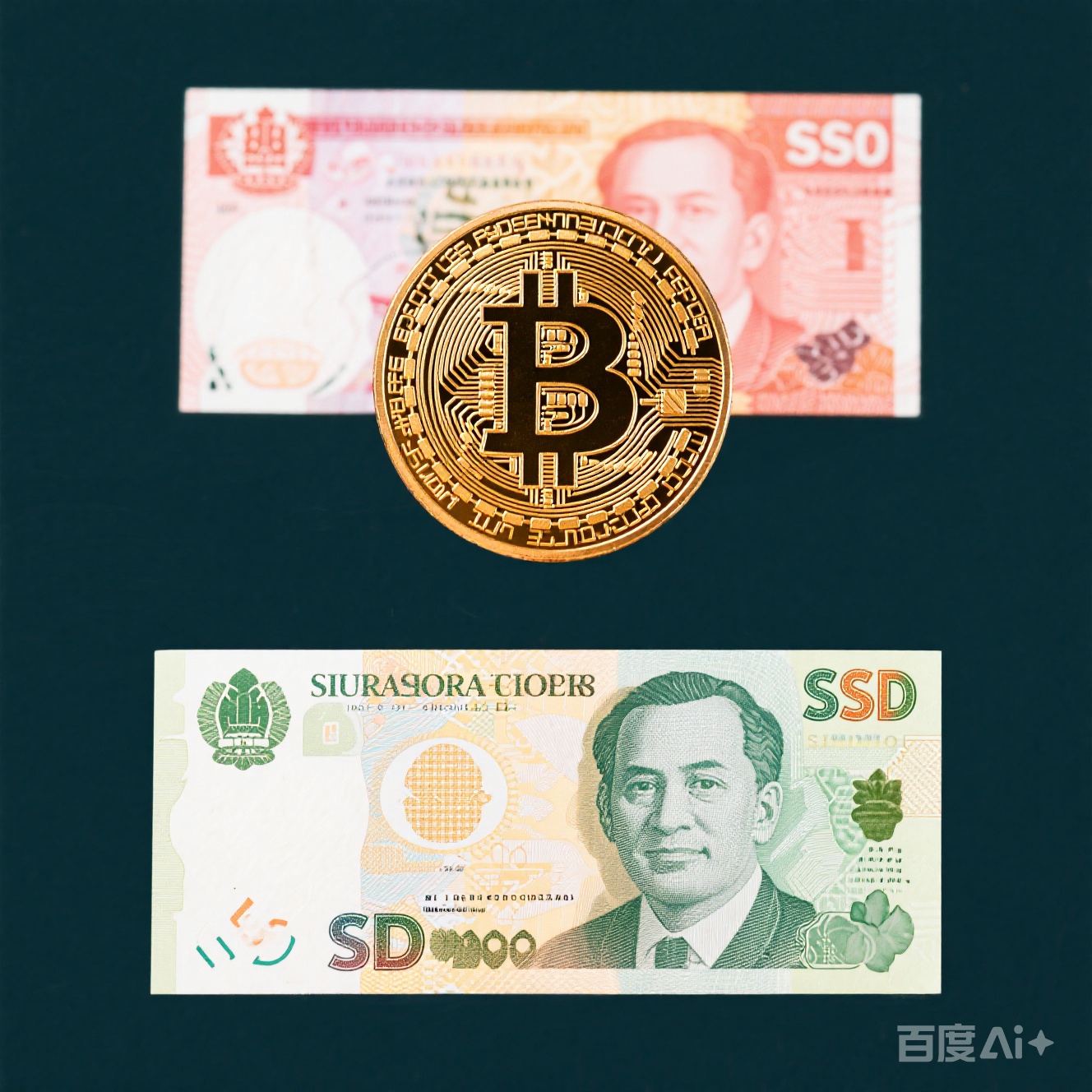
比特币 (BTC) 兑换新加坡元 (SGD):全面指南与汇率分析
比特币 (BTC) 兑换新加坡元 (SGD):全面指南与汇率分析概述汇率机制兑换平台兑换流程税务影响实用建议比特币兑换新加坡元概述比特币(BTC)与新加坡元(SGD)的兑换是加密货币市场中常见的交易对之一。新加坡作为亚洲金融中心,拥有完善的数字资产监管框架和活跃的加密货币市场,使BTC/SGD交易对...
比特币USDT走势图:市场动态与未来趋势分
比特币USDT走势图 | 最新行情分析与趋势预测body { font-family: 'Arial', sans-serif; line-height: 1.6; color: #333; ma...
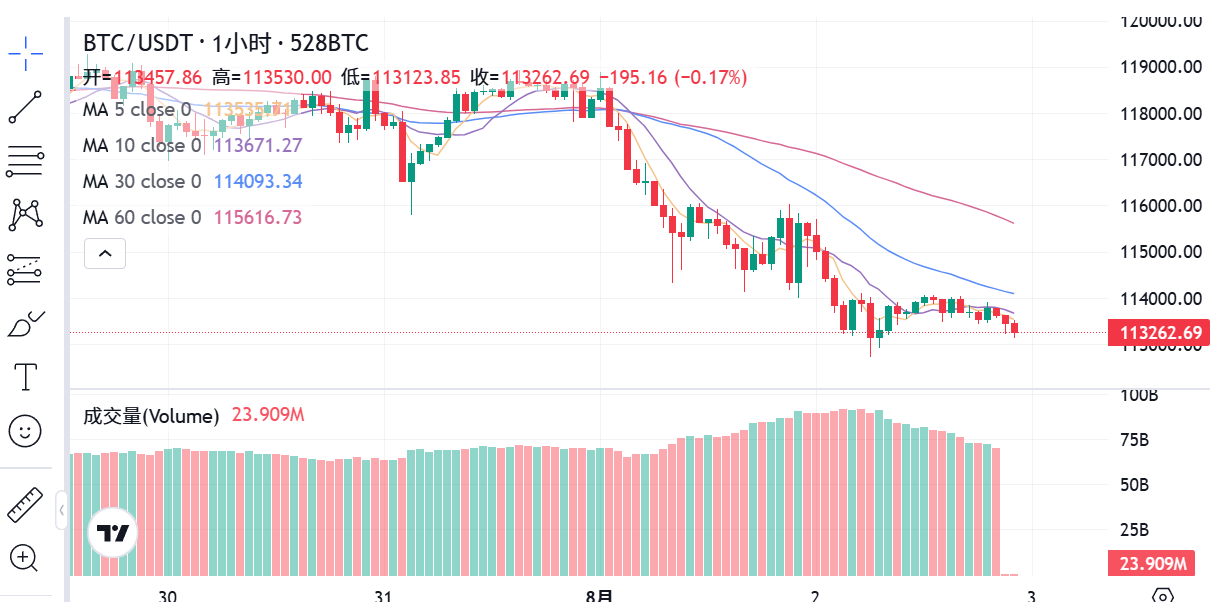
BTC最新成交量分析:市场流动性深度解读
BTC最新成交量分析:市场流动性深度解读最后更新:2025年8月2日目录成交量概览成交量趋势分析交易所成交量对比大额交易追踪市场流动性评估成交量与价格关系成交量技术指标投资洞察常见问题BTC成交量概览截至2025年8月2日,比特币24小时全球交易量达到580亿美元,较上周平均水平增长35%。其中现货...
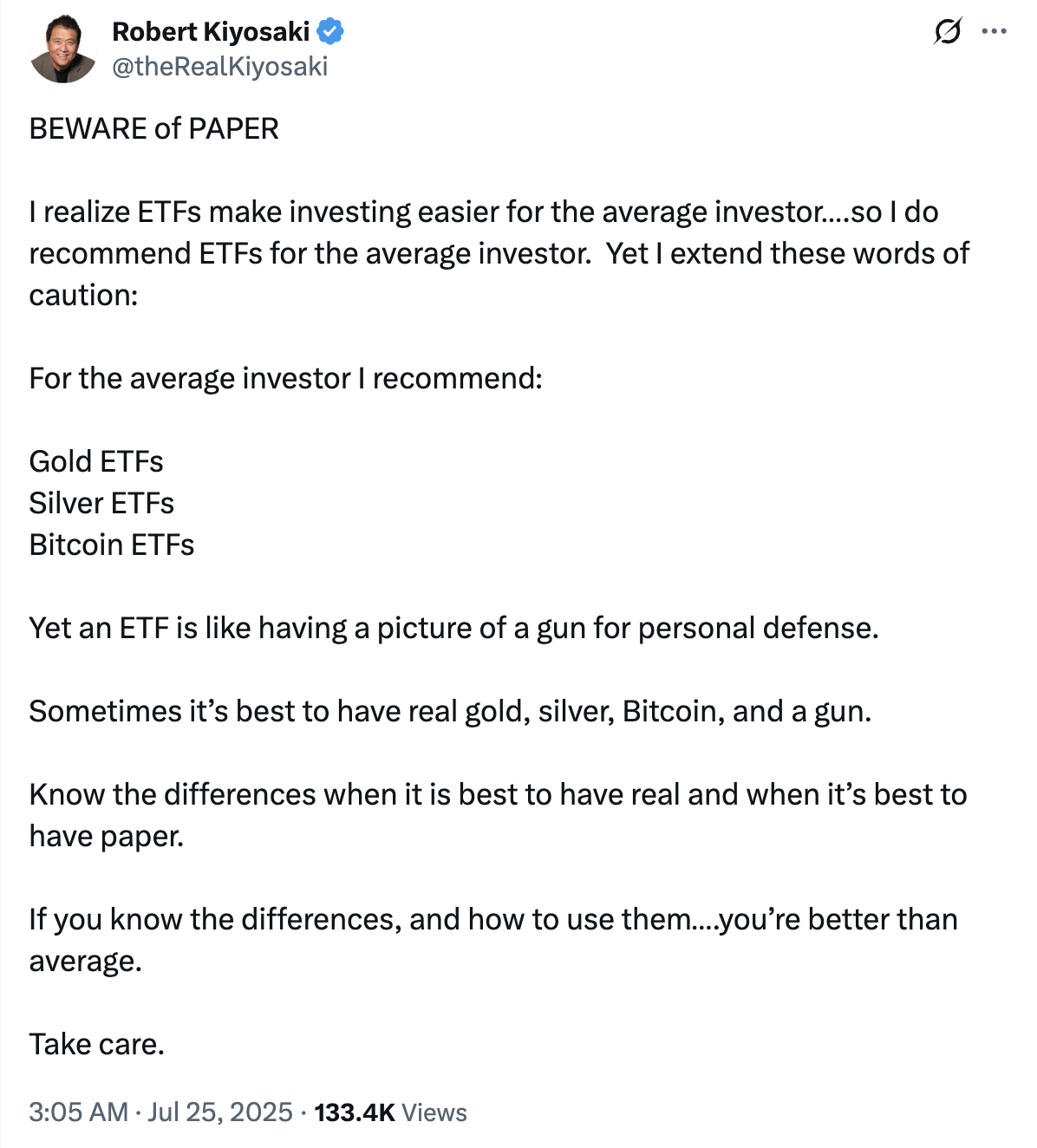
数字黄金的“纸”与“实”;清崎警告ETF风险,专家力证其安全性
数字黄金的“纸”与“实”:清崎警告ETF风险,专家力证其安全性标签: 罗伯特·清崎 比特币ETF 黄金 白银 实物资产 纸质资产 银行挤兑目录:· 序章:富爸爸的“枪支比喻”· 清崎的担忧:警惕“纸上财富”的幻象· 银行挤兑:一个古老的金融梦魇· ETF的防线...

数字巨头的新王冠;Tether持美债超韩国,一场悄无声息的金融版图重构
数字巨头的新王冠:Tether持美债超韩国,一场悄无声息的金融版图重构标签: Tether USDT 美国国债 稳定币 市场分析 宏观经济目录:· 序章:一个数字公司的“国家级”力量· 1270亿美元:Tether的“国家级”美债持有量· 一路狂奔:市值飙升与信任加速·...