

A Comprehensive Guide: How to Identify and Verify Binance Wallet Addresses

Understanding Binance Wallet Addresses: Your First Step to Secure Crypto Transactions
In the world of cryptocurrency, sending your digital assets to the correct wallet address is a critical and irreversible action. For users of Binance, one of the world's leading cryptocurrency exchanges, knowing how to distinguish a genuine Binance wallet address can mean the difference between a successful transaction and permanently lost funds. This guide provides a comprehensive overview of the different types of Binance-related addresses, their unique characteristics, and best practices for verification to ensure your crypto arrives safely at its intended destination.
What is a Binance Wallet Address?
A Binance wallet address is a unique string of alphanumeric characters that serves as a destination for receiving cryptocurrencies on the Binance platform. Think of it as your account number for a specific digital currency. It's crucial to understand that Binance does not have a single, universal wallet address. Instead, you are provided with a unique deposit address for each different cryptocurrency you wish to receive, such as Bitcoin (BTC), Ethereum (ETH), or Binance Coin (BNB). These addresses are generated within your Binance account and are directly linked to your user profile, ensuring that deposits are correctly credited.
Distinguishing Between Different Cryptocurrency Address Formats
The most fundamental way to distinguish Binance wallet addresses is by recognizing the format specific to each blockchain network. Different cryptocurrencies operate on different technologies, and their addresses reflect this. For example, a Bitcoin (BTC) address from Binance will typically start with a "1", "3", or "bc1". An Ethereum (ETH) or ERC-20 token address, on the other hand, will always begin with "0x" and be a 42-character hexadecimal string. Binance Coin (BNB) on its own BNB Beacon Chain starts with "bnb...", while BEP-20 tokens on the BNB Smart Chain use a "0x" format identical to Ethereum. Knowing these prefixes is your first line of defense against sending funds to an incompatible address, which could result in loss.
Deposit Addresses vs. Withdrawal Addresses: Knowing the Difference
When using Binance, it's important to distinguish between addresses you use for depositing and those you use for withdrawing. Your Binance deposit address is the one you provide to an external sender or use to transfer funds from your personal wallet into your Binance spot wallet. This address is generated by and controlled by Binance for your account. A withdrawal address, conversely, is an external wallet address that you own (like a MetaMask or Trust Wallet address) that you provide to Binance to send your crypto *out* of the exchange. Confusing these two is a common source of error. Always double-check that you are sending funds *to* your Binance deposit address when topping up your account.
The Critical Role of Memos and Tags for Certain Cryptocurrencies
One of the most common pitfalls for new users involves memos and tags. For cryptocurrencies that operate on a centralized ledger system, such as XRP (Ripple), XLM (Stellar), ATOM (Cosmos), and EOS, a "Memo" or "Tag" is an absolutely essential part of the address. On these networks, Binance uses a single master wallet address for all users. The Memo/Tag is a unique identifier that tells Binance which specific user account to credit the funds to. If you send one of these currencies to a Binance deposit address without including the correct Memo, your funds will not be automatically credited and will require a lengthy and complex recovery process, if it's possible at all. Always ensure you copy both the address AND the memo from your Binance deposit page.
How to Find Your Official Binance Deposit Address
The safest way to ensure you are using the correct Binance wallet address is to always generate it directly from the official Binance website or app. Log in to your account, navigate to your "Wallet" and then "Spot Wallet." Click on "Deposit," select the cryptocurrency you wish to receive, and the network (e.g., for USDT, you might choose between ERC20, BEP20, or TRC20). Binance will then display your unique deposit address and any required memo. It is a critical security practice to copy this information directly from the site rather than from an email or other unverified source to avoid phishing scams.
Binance Smart Chain (BSC) Addresses: The "0x" Format
With the rise of the Binance Smart Chain, many users interact with BEP-20 token addresses. These addresses are visually identical to Ethereum addresses, as they also start with "0x". The key distinction lies in the network on which the transaction is broadcast. When depositing a BEP-20 token like BUSD or CAKE into Binance, you must select the "BEP20 (BSC)" network option. Sending funds via the wrong network (e.g., sending a BEP-20 token via the ERC-20 Ethereum network) will likely result in the permanent loss of your assets. Always triple-check the selected network during both deposit and withdrawal.
Essential Safety Checks Before Sending Any Crypto
Before confirming any transaction to a Binance wallet address, follow this simple checklist. First, verify the first and last few characters of the address match perfectly. Second, for Memo/Tag coins, confirm the memo is copied exactly. Third, always send a small test transaction first, especially for large amounts. This minor fee can save you from a catastrophic loss. Fourth, beware of phishing websites; always check the URL to ensure you are on the genuine binance.com domain. Finally, never share your private keys or seed phrase with anyone; Binance support will never ask for this information.
What to Do If You Send Crypto to the Wrong Address
Despite all precautions, mistakes can happen. If you send funds to an incorrect Binance address or forget a memo, your immediate course of action should be to contact Binance Customer Support directly through the official app or website. Provide them with the transaction hash (TXID) from the blockchain explorer. While outcomes are not guaranteed, especially for transactions sent to addresses on the wrong network, the support team may be able to assist in recovering funds in certain scenarios, particularly for missing memos. Time is of the essence, so act quickly.
Conclusion: Vigilance is Key in Crypto
Distinguishing and correctly using Binance wallet addresses is a fundamental skill for anyone participating in the cryptocurrency ecosystem. By understanding the different address formats, the critical importance of memos for specific coins, and adhering to strict security practices, you can navigate the process with confidence. Always remember that the responsibility for securing your transactions ultimately lies with you. Taking a few extra moments to verify every detail can provide peace of mind and ensure your digital assets remain secure.
“A Comprehensive Guide: How to Identify and Verify Binance Wallet Addresses” 的相关文章
WBS注册奖励 | 获取虚拟货币、空投和区块链福利
WBS注册奖励:如何获取虚拟货币、空投和区块链福利?发布日期:2025年7月20日 | 更新日期:2025年7月20日什么是WBS注册奖励?WBS(Web3 Bonus System)注册奖励是区块链项目为吸引新用户推出的激励计划,涵盖虚拟货币(如BTC、ETH)、DeFi(去中心化金融)、NFT(...
比特币主导地位交易观点 | 加密货币市场周期分析与策略
比特币主导地位交易观点:解密加密货币市场周期更新时间:2025年7月27日 | 作者:加密货币市场分析师什么是比特币主导地位?比特币主导地位(Bitcoin Dominance, BTC.D)是指比特币市值占整个加密货币市场总市值的百分比。这一指标是衡量比特币相对于其他加密货币(山寨币)市场影响力的...
数字资产的“等待游戏”;SEC延迟背后,政治与监管的暗流涌动
数字资产的“等待游戏”:SEC延迟背后,政治与监管的暗流涌动标签: SEC 比特币ETF 加密货币监管 特朗普 真相社交 灰度目录:· 序章:一纸延期,万众瞩目· 延期潮起:SEC的审慎节奏· “加密妈妈”的忠告:耐心是美德?· 特朗普ETF的独特之处:政治与...

特朗普媒体的“数字豪赌”;20亿美元比特币与3亿美元期权,一场政治与加密的交织
特朗普媒体的“数字豪赌”:20亿美元比特币与3亿美元期权,一场政治与加密的交织标签: 特朗普媒体 比特币 机构投资 财务报告 期权策略目录:· 序章:一个惊人的财务转型· 20亿美元的“数字金库”· 3亿美元的期权“魔术”· 资产暴增:加密策略的驱动力·&nb...
比特币交易所排名:2025年最安全交易平台 | 加密货币交易指南
比特币交易所排名:2025年最安全交易平台更新时间:2025年8月12日推荐内容想要练习比特币交易但不想承担真实资金风险?试试模拟炒币软件官网,提供真实市场环境的虚拟交易体验。随着比特币和加密货币市场的持续发展,选择一个安全可靠的交易平台变得尤为重要。2025年,全球加密货币交易所竞争格局已发生显著...
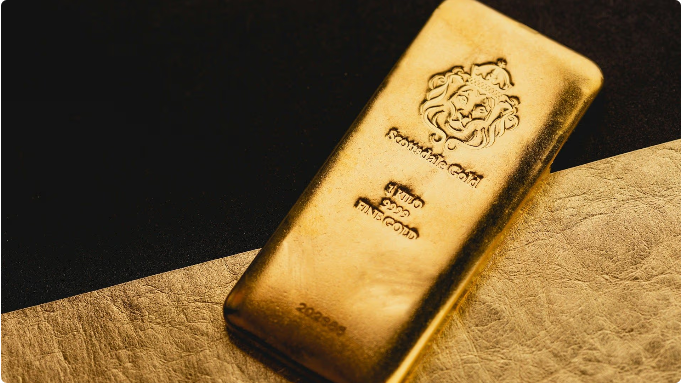
R65_数字黄金的新纪元;地缘政治风暴催生代币化黄金铸造狂潮
数字黄金的新纪元:地缘政治风暴催生代币化黄金铸造狂潮标签: 黄金 代币化 关税 瑞士 铸造量目录:· 序章:传统与数字的共振· 铸造狂潮:创五年新高的4.39亿美元· 地缘政治:关税风暴下的黄金流· 实物黄金与代币化黄金的“双重博弈”· 代币化黄金的...